
Want Something More Adventurous Than Boudoir?
Let’s Talk About It.
There is a particular kind of enquiry I receive from time to time. It usually begins quite normally. Somebody tells me she likes my photography, asks about a photoshoot and perhaps mentions boudoir or something sensual. Then the language becomes strangely careful, as though every word is being examined by a small committee before being allowed onto WhatsApp.
Eventually we arrive at the actual question: “I have something a little more adventurous in mind. Is that something you photograph?”
Quite possibly. I photograph erotic work as well as boudoir and nude photography from my private studio in Johannesburg, and over the years that has introduced me to an extraordinarily broad collection of fantasies, fetishes, kinks and ideas. Some are relatively subtle. Others most certainly are not.
What interests me isn’t whether your idea conforms to somebody else’s definition of normal. I want to know whether we can turn it into an interesting photograph. So if what you really want is considerably more adventurous than beautiful lingerie photographs on a bed, you don’t have to pretend otherwise. Tell me what you actually have in mind. It saves an enormous amount of conversational gymnastics.
Your Kink Is Probably Less Shocking Than You Think
One of the interesting things about photographing people is discovering just how broad the definition of “normal” becomes once people feel comfortable enough to tell you what they actually like. Sexuality is enormously varied, and so are fantasies, relationships and the things people find exciting. Something that feels daring to one person may be completely ordinary to somebody else.
I don’t think my job as an erotic photographer is to decide whether your particular interest receives the Official Peter Driessel Stamp of Normality. There isn’t one. I don’t need to share your kink to photograph it any more than a wedding photographer needs to want to marry the groom. What I need to understand is what interests you about the idea and what you want the resulting photographs to feel like.
That distinction is important because there can be quite a difference between a fantasy and a photograph. Something can be enormously exciting in your imagination and visually rather uninteresting when simply recreated literally. Part of my job is finding the photograph hiding inside the idea.

Kink Photography Is a Much Bigger World Than People Imagine
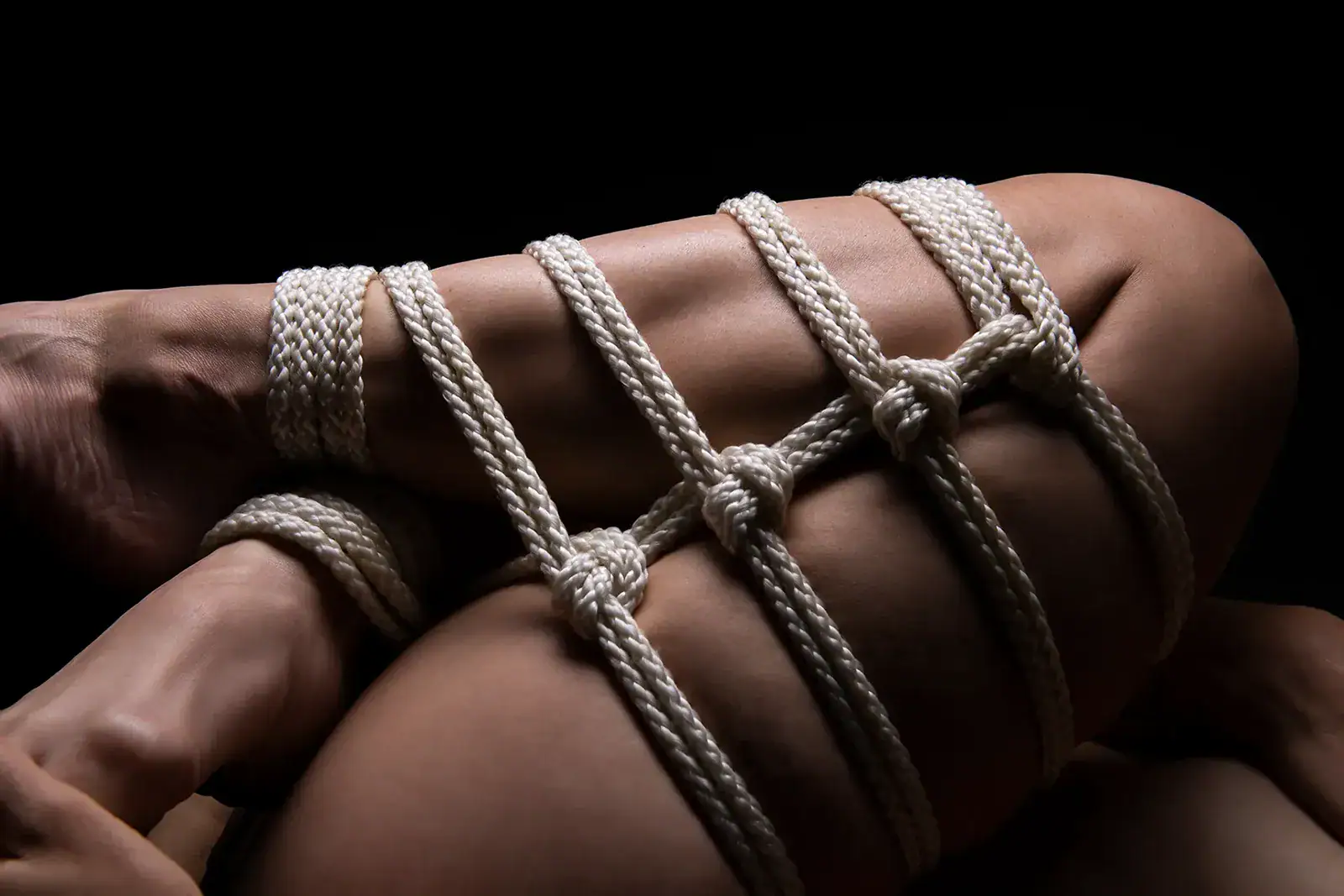
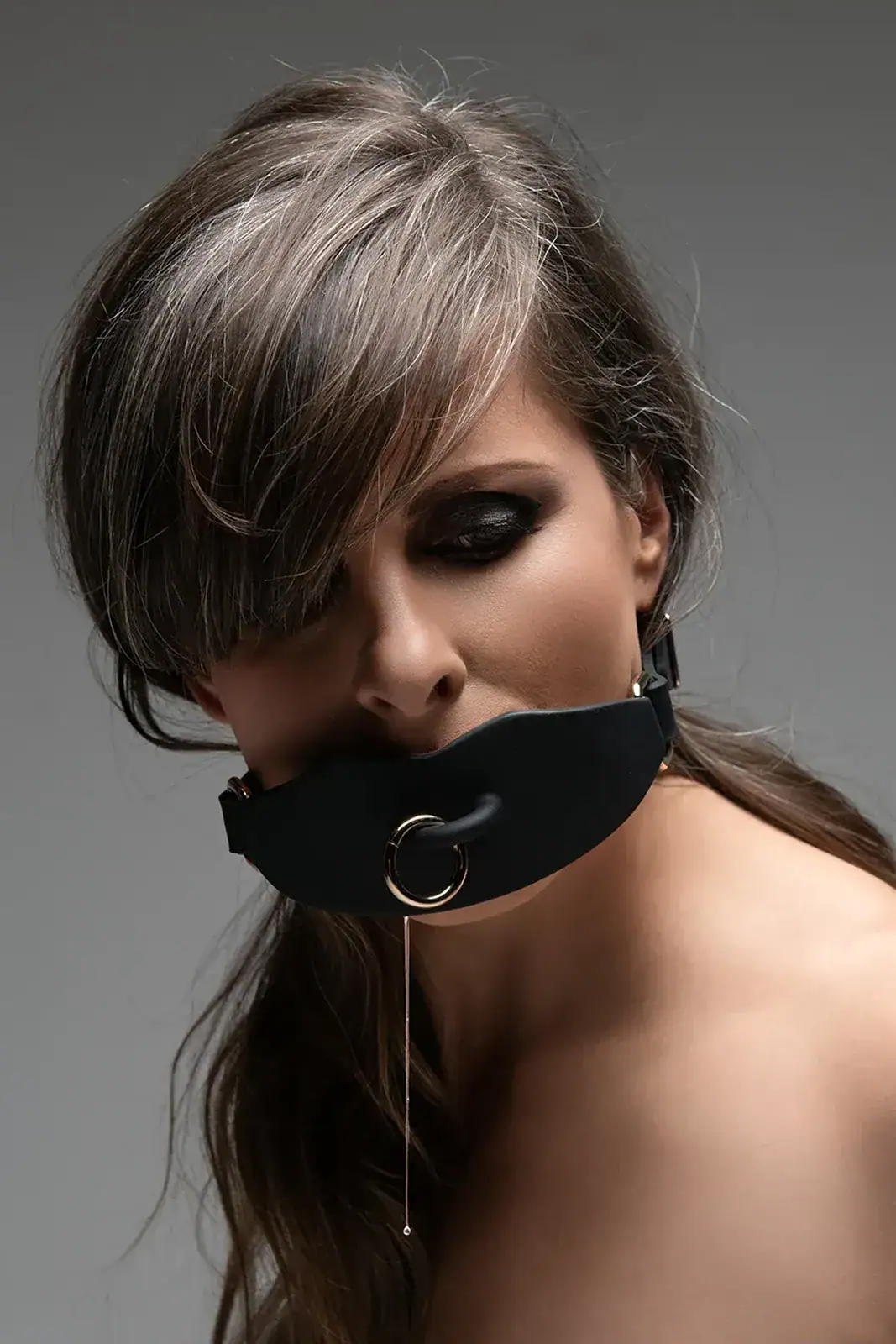
Mention kink or fetish photography and people tend to imagine a fairly predictable collection of black leather, restraints and somebody looking extremely stern. Those things can certainly be part of it, but the photographic possibilities are considerably broader.
For one person, the attraction may be a particular item of clothing or accessory. For another, it might involve restraint, dominance, submission, role play, voyeurism, anonymity or a particular relationship dynamic. Sometimes the kink is obvious in the finished photograph. Sometimes somebody looking at the image would have absolutely no idea what it means to the person being photographed.
That is what makes it photographically interesting. We don’t necessarily have to illustrate an idea literally. Light, expression, body language, clothing, props and perspective can suggest considerably more than they show. Sometimes the viewer’s imagination is one of the most useful pieces of equipment in the studio.
And sometimes subtlety isn’t remotely what the client has in mind. That can be interesting too.
You Can Actually Tell Me What You Want
If you’re considering an erotic or kink photoshoot, I would much rather you tell me what you’re thinking than try to make the idea sound respectable for my benefit. You can send me reference photographs, describe the fantasy and tell me what interests you about it. You can also tell me what you definitely don’t want.
None of this requires a beautifully prepared creative brief written in fluent photographer. Quite often somebody sends me three or four reference photographs that appear to have very little in common. I’m not necessarily looking for something to copy. I’m looking for the thread running through them.
Perhaps it is control or vulnerability. Perhaps it is voyeurism, anonymity, tension, a particular relationship dynamic or simply the way the photographer used darkness. Sometimes it is something the client can’t quite articulate but recognises immediately when she sees it.
Once I understand that, we can start creating rather than copying.
You Don’t Have to Explain Why It Excites You
There is a distinction here that matters to me. I may need to understand an idea well enough to photograph it, but I don’t automatically need to know why you find it exciting. Your sexuality is not applying for planning permission.
If the meaning behind something affects the photograph, we can discuss it. If it is personal and irrelevant to what I need to create, it can remain personal. There is a considerable difference between a photographer being comfortable discussing adult ideas and believing he is entitled to every intimate detail behind them.
Erotic photography requires trust, but it doesn’t require intrusion. You should be able to tell me enough for us to make the photograph without discovering that your photoshoot has unexpectedly turned into therapy with studio lights.
The Idea Is Only the Beginning
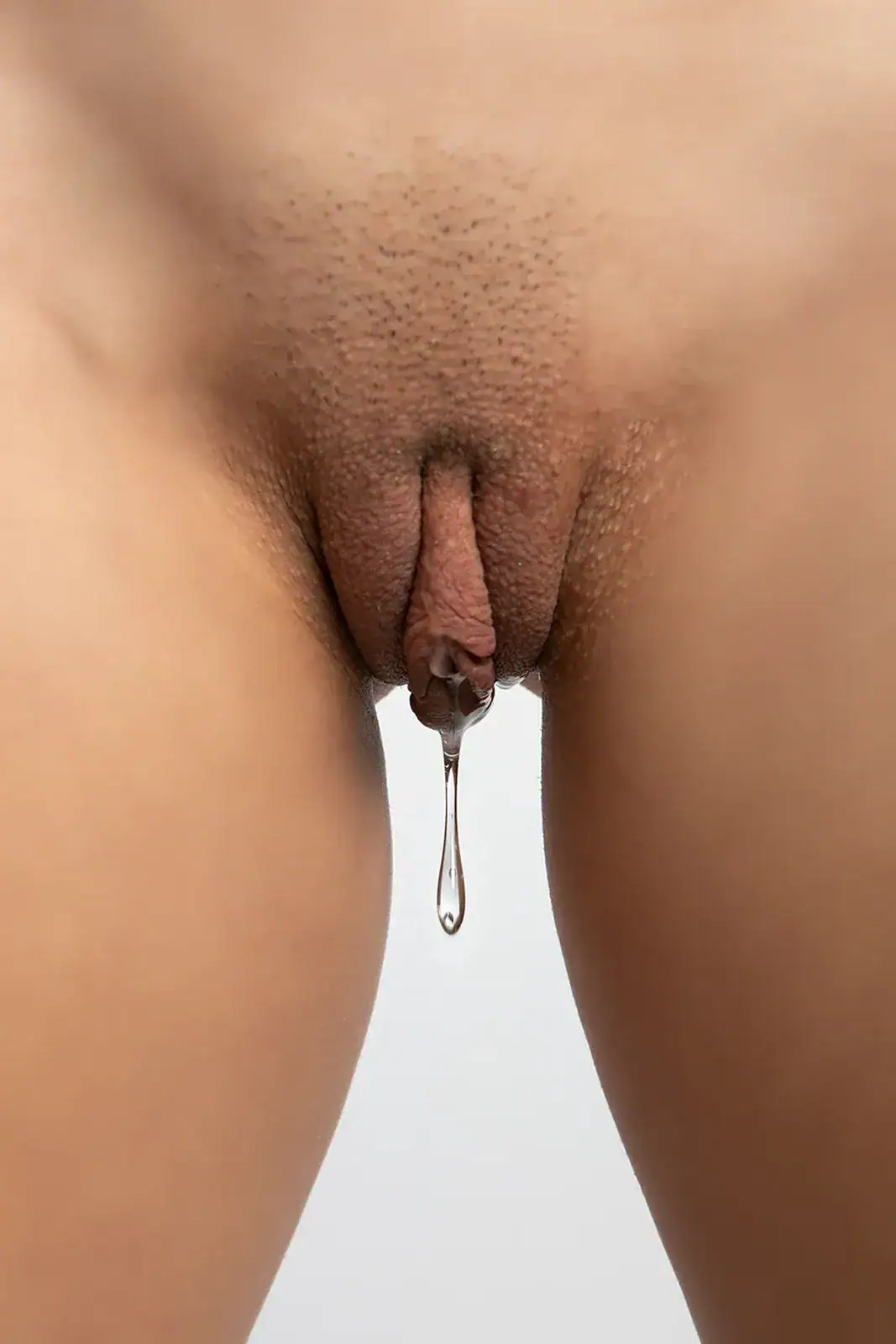
This is the part of erotic and kink photography I find particularly interesting. Once I understand what somebody wants, I start thinking about how it translates visually.
Should it feel dark and cinematic or polished and beautiful? Should the viewer understand immediately what is happening, or should we leave something unresolved? Do we need an elaborate setting, or would one person, one light and one carefully chosen detail say considerably more?
A fantasy doesn’t have to worry about camera angles, composition or lighting. A photograph unfortunately does. There are ideas that sound wonderfully provocative but don’t translate directly into a strong image, while something that initially seems like a minor detail can suddenly become the entire reason the photograph works.
This is where my job becomes more than documenting what happens in front of the camera. I want to photograph the idea behind it.
There Is No Standard Kink Photoshoot
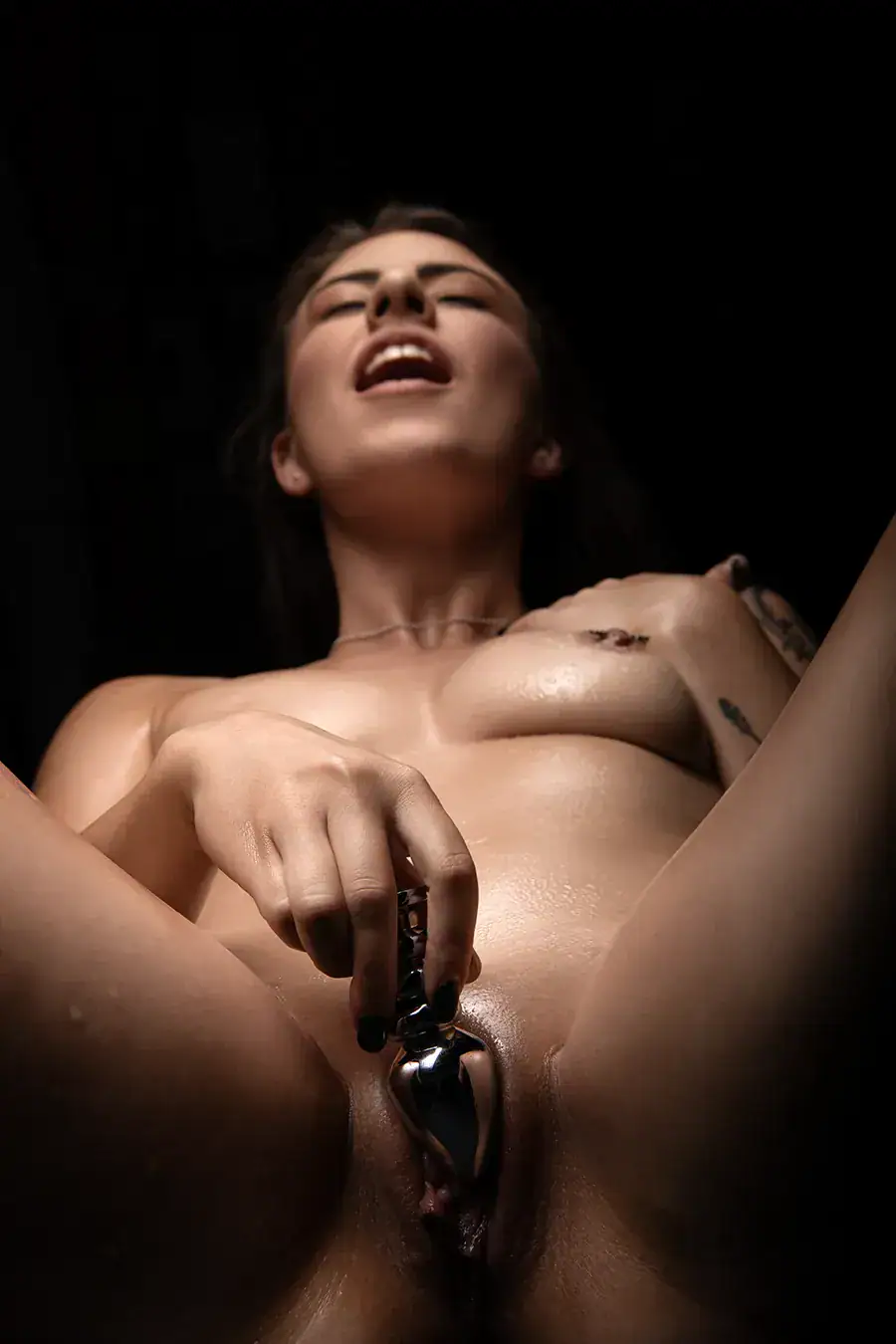
I would be suspicious of anybody offering a formula for one. Two people can use exactly the same word to describe what interests them and imagine completely different photographs.
I therefore don’t have a sequence of “kink poses” waiting for you. We work from the idea, the person or couple, the setting and the mood we want to create. I may guide positioning very precisely, move a hand, change the relationship between two bodies, alter the lighting or completely change my camera position because the photograph needs it.
The objective isn’t to squeeze your idea into a collection of photographs I’ve already made for somebody else. If you’re trusting me with something personal enough that you may never show the photographs to another person, I think they should at least have the courtesy of being your photographs.
Sometimes the Kink Is in the Photograph, Not the Action
This is something people don’t always consider. You don’t necessarily have to enact every element of a fantasy to make a photograph that evokes it.
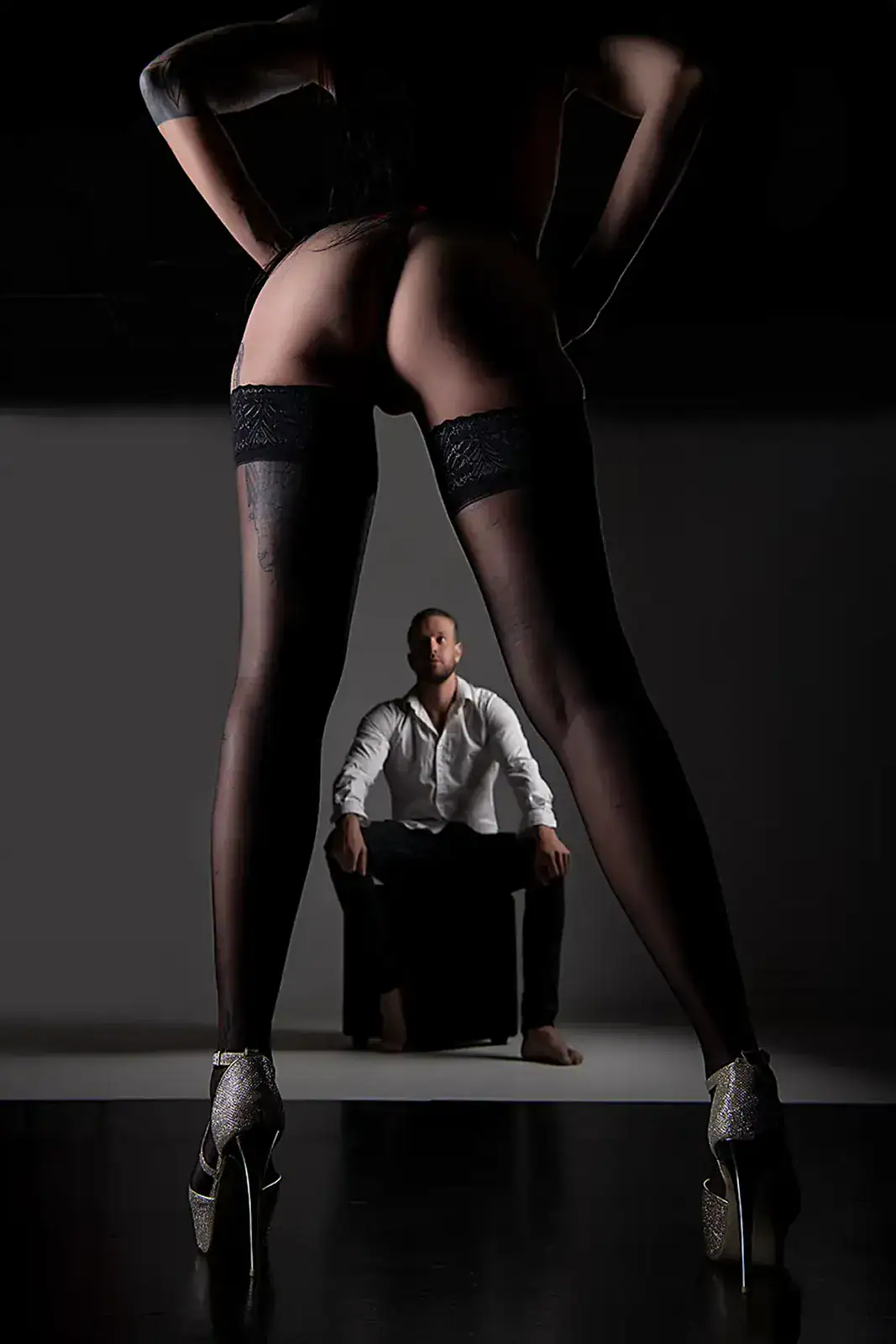
Camera position can create a voyeuristic feeling. Body language can establish a power dynamic without explaining it. The direction of somebody’s gaze can completely change who appears to be in control. Clothing, a prop or the distance between two people can sometimes say far more than a literal recreation of what somebody imagined.
That gives us enormous creative freedom. We can decide how much information the viewer receives and how much remains unresolved. Sometimes a photograph becomes more provocative precisely because it refuses to explain itself completely.
Other times ambiguity isn’t what we’re after at all. I don’t regard subtlety as automatically more sophisticated simply because it reveals less. The question is whether the photograph says what we intended it to say.
I Am the Photographer, Not Part of the Fantasy
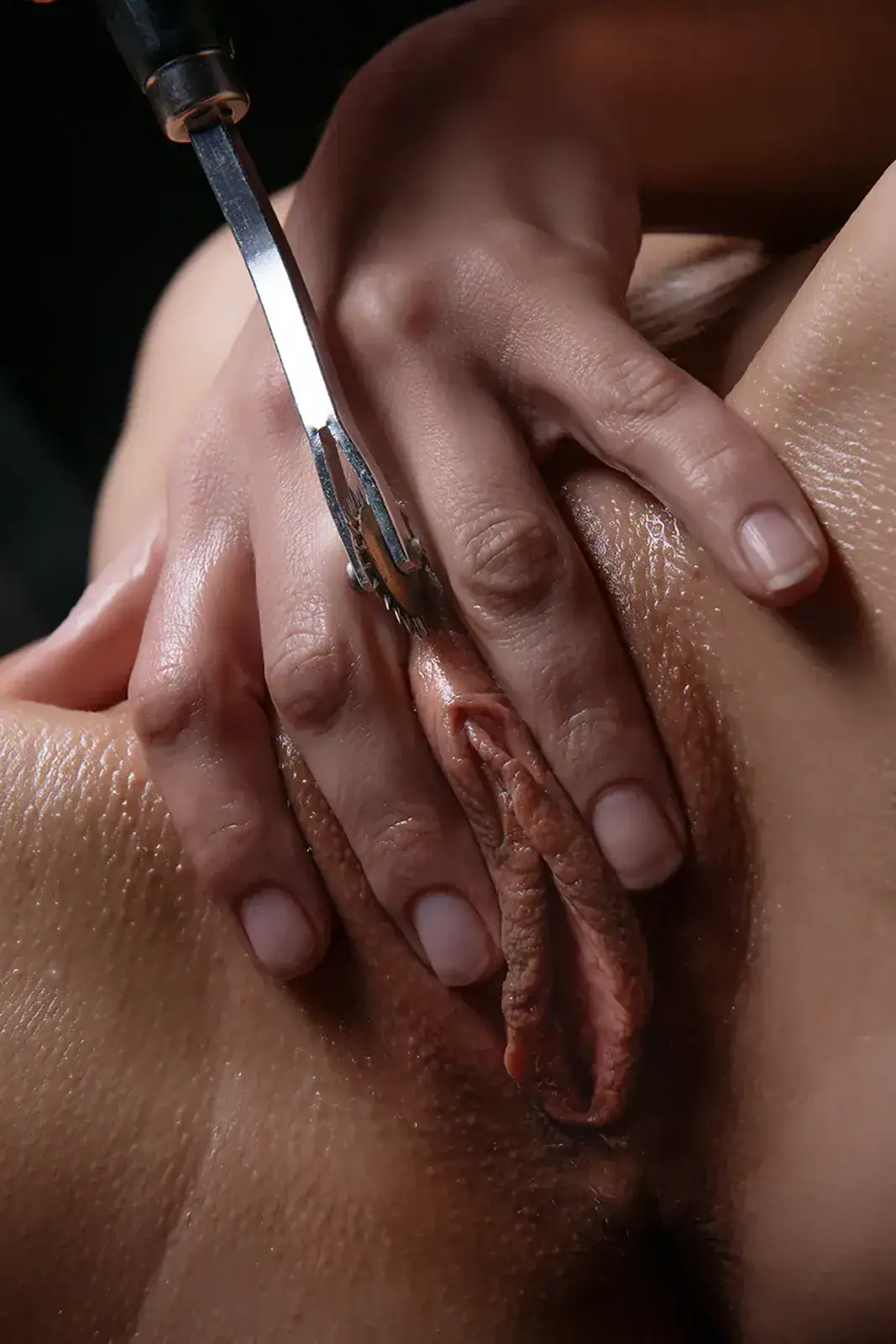
There is an important distinction between photographing somebody’s sexuality and participating in it. I am there as the photographer, and that professional boundary doesn’t disappear because the subject matter becomes more adventurous.
In fact, I think clear boundaries make this kind of photography easier. Everybody understands why we’re there and what we’re creating. I can concentrate on the light, camera position, expression, composition and what is happening inside the frame while the client can explore the idea without wondering whether the photographer has misunderstood his invitation.
The same applies when I’m photographing couples. Whatever dynamic exists between the two of you belongs to your relationship. I can guide you photographically and help create the atmosphere you’re after, but I remain behind the camera.
It is a simple distinction, and a useful one.

Couples Bring Something I Can’t Manufacture
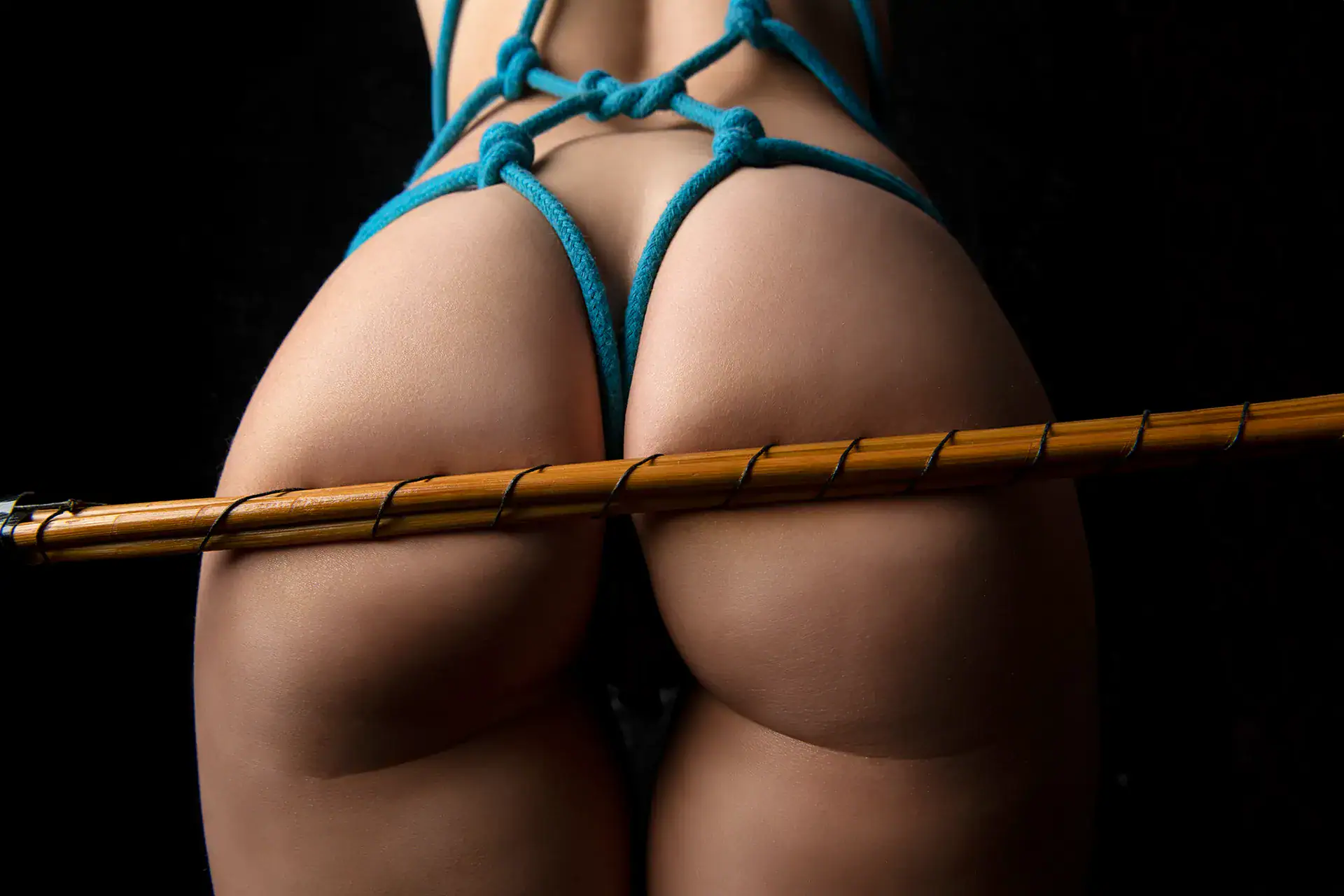
Photographing a couple is particularly interesting because something already exists before I pick up the camera. There may be affection, humour, desire, vulnerability, trust, dominance, submission or some private dynamic that would be impossible for me to manufacture convincingly.
My job is not necessarily to create that chemistry. It is to recognise it and decide how to photograph it.
Some couples want photographs that are mildly provocative. Others arrive with a very particular fantasy or kink they want to explore together. The approach remains the same: understand what belongs to them, establish what they want from me and then work out how to turn that relationship into photographs rather than forcing them through a predetermined routine.
That unpredictability is precisely what makes photographing two people interesting.
Tell Me Before You Arrive With the Suitcase
The more unusual the concept, the more useful it is for us to discuss it beforehand. This isn’t because you need my approval. It is because photography requires rather more planning than fantasy generally does.
A particular idea may need space, a specific set, different lighting or some thought about how an accessory or prop will actually appear on camera. Something you imagine happening on the bed set may work far better against a simple dark background, in another part of the studio or with almost everything else removed from the scene.
It also allows us to establish what is definitely part of the shoot, what you might be interested in exploring and what is completely off the table. Those are three different things. There are also things I won’t photograph, and obviously anything we create has to involve consenting adults and be legal, safe and workable in the studio.
A non judgemental environment doesn’t mean an environment without boundaries. Properly understood, boundaries give creativity somewhere safe to operate.
It also avoids the moment halfway through a session when somebody opens a surprisingly large suitcase and says, “Right, Peter. About the next photograph…”

Sometimes an Idea Needs to Be Pushed Further
One of the useful things about seeing an idea through a camera is that the camera can be remarkably unsentimental. Something that sounded wonderfully provocative when we discussed it can occasionally look rather ordinary once photographed. Conversely, an idea that already seems fairly outrageous can become much more interesting when we stop worrying about whether we’ve gone far enough and start asking whether we’ve gone far enough photographically.
That is why I like room to experiment. We might make something darker, cleaner, stranger, more theatrical or more restrained. We might change the lighting completely, introduce colour, alter the styling or discover that one apparently excessive element is precisely what makes the photograph work. The objective isn’t escalation for the sake of it. It is finding the point at which the idea becomes visually compelling.
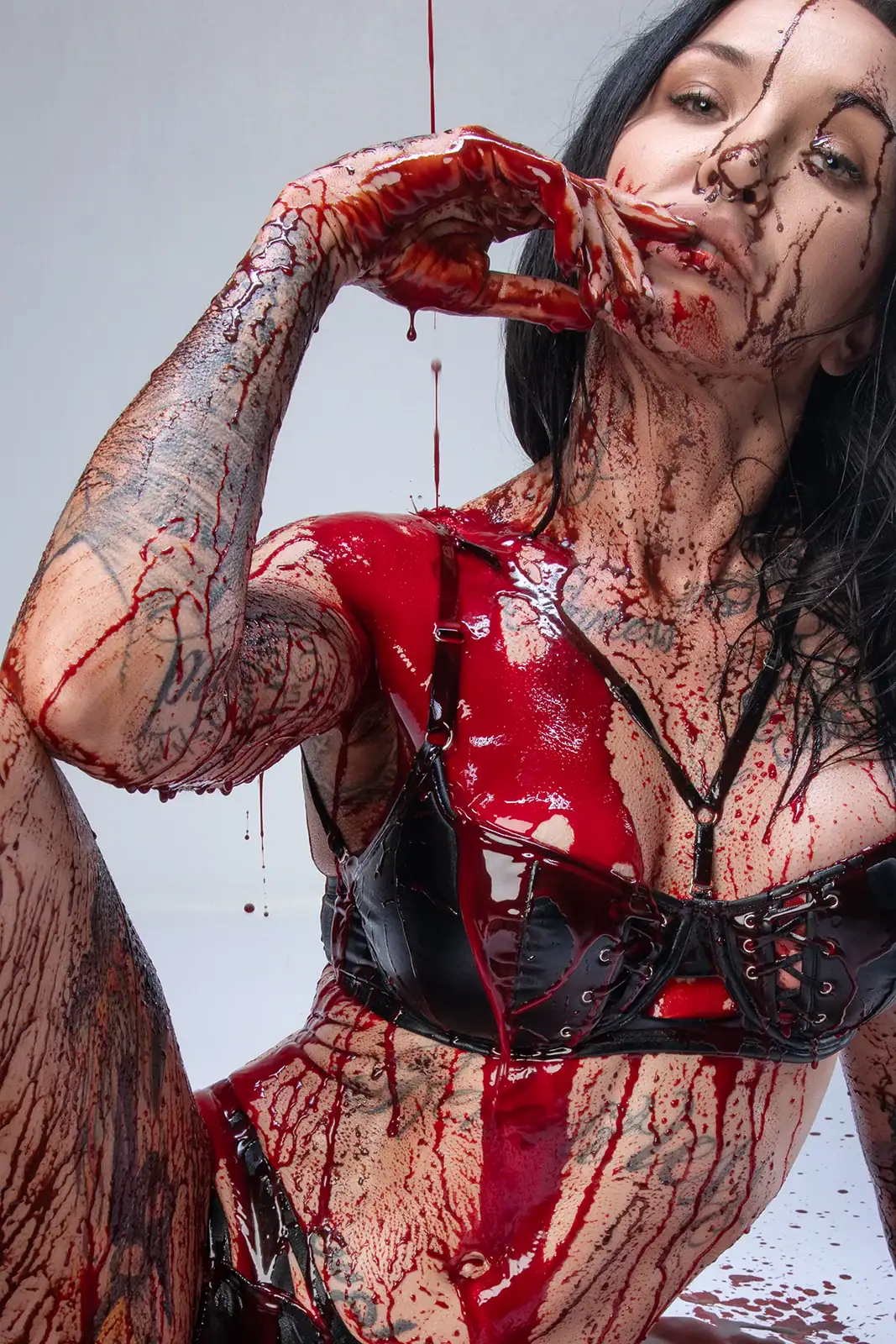
The photograph here is a good example. It isn’t trying to be conventional boudoir, and pretending otherwise would rather miss the point. The styling, latex, body paint, tattoos, pose and deliberately excessive use of red all belong to the same visual idea. Pull any one of those elements too far back and it becomes a different photograph.
None of this means pushing a client’s boundaries. We push the photograph, not the person. Those are very different things, and understanding that distinction gives us considerably more freedom to experiment.
My job isn’t merely to say yes to an idea and point a camera at it. It is to work out how far the photography itself needs to go before the idea really comes alive.
Some of My Best Work Will Never Be in My Portfolio
There is an odd contradiction in photographing intimate and erotic work. The more unusual and personal the photograph, the more I may want to show it as a photographer, and the more reason the person in it may have for wanting absolutely nobody else to see it.
The client wins that argument.
At Boudoir Fusion Photography, your photographs are not shared without your permission. Booking an erotic, fetish, kink or nude photoshoot does not quietly turn your private life into material for my website or next week’s Instagram post.
Some clients are happy for particular photographs to be shown. Others allow me to use selected images while keeping more personal work private. Some don’t want anything shared at all. All three are perfectly legitimate choices.
It does mean that some of the most interesting photographs I have created will probably never appear in my portfolio. From a photographer’s point of view, that can occasionally be mildly tragic. From a privacy point of view, it is exactly as it should be.
You Can Change Your Mind
Discussing something beforehand doesn’t commit you to photographing it. An idea that sounded exciting while sitting at home may feel different when you’re standing in the studio. We can change it, soften it or abandon it completely.
The opposite can happen too. Somebody may arrive with fairly conservative intentions and become curious about another idea once the session is underway. That doesn’t mean the photoshoot has to keep becoming progressively more adventurous. There is no final level to unlock.
Consent isn’t something established once at the beginning of an erotic photoshoot and then forgotten about. It continues throughout the session. What matters is what you are comfortable creating at that particular moment, not what we discussed three days earlier on WhatsApp.
What If You’re Not Sure Whether I Will Photograph It?
Ask me. You don’t need to decide that your fantasy is too unusual and reject it on my behalf.
Tell me what you’re considering and we can have a normal adult conversation about it. If it is something I am comfortable photographing and we can do it safely and professionally, then we can start discussing how to make it visually interesting. If it isn’t something I photograph, I’ll tell you.
No moral lecture is required, and neither of us needs to spend the following week recovering from the conversation. I would much rather somebody ask me an unusual question than book a completely conventional photoshoot because she was too embarrassed to tell me what she actually wanted.
Perhaps You Don’t Even Know What to Call It
You may not be sitting at home searching specifically for kink photography in Johannesburg. You might be looking for an erotic photographer, fetish photography, a private erotic photoshoot, something for you and your partner, or simply a photographer willing to explore ideas considerably more adventurous than conventional boudoir.
You may not know what category your idea belongs in at all. That’s fine. Describe it rather than naming it.
Photography has accumulated enough terminology to make almost anything sound more complicated than it needs to be. You bring the idea. I’ll worry about what to do with the camera.
The Subject May Be Kink. The Job Is Still Photography.
What interests me about photographing kink, fetish and erotic ideas isn’t simply that the subject matter is more adventurous. It is that these shoots often give us unusual visual problems to solve. How much do we reveal? What do we imply? Where does the viewer stand in relation to what is happening? What happens if we change the light, the perspective or one small detail?
Sometimes the original idea survives almost untouched. Sometimes we begin with one concept and discover something considerably better while photographing it. I am quite happy when that happens. Some of my favourite photographs over the years have appeared because we stopped trying to force the original plan and paid attention to what was actually happening in front of the camera.
If you’ve been considering a kink, fetish or erotic photoshoot in Johannesburg, you don’t need to arrive with the correct terminology or a perfectly developed concept. Tell me what interests you, show me references if you have them, and tell me where your boundaries are. From there, we can work out whether the idea is something I photograph and, if it is, how to make it visually worth doing.
After all, the subject may be kink.
The job is still to make an exceptional photograph.
I’m Listening.
You don’t need to know whether to call it kink, fetish, erotic or something else entirely. Tell me what you have in mind, what interests you about photographing it and where your boundaries are.
If it’s something I photograph, we’ll work out how to turn it into something visually extraordinary. If it isn’t, I’ll tell you. Either way, you won’t shock me merely by asking the question.
Your idea stays between us. The conversation costs nothing.


Leave A Comment